
Feb
In a world where algorithms suggest what we wear, and influencers dictate what we buy, there is one frontier of personal style that remains deeply, almost stubbornly, individual: the way you smell.
We’ve all been there – you finally splurge on that “it-girl” perfume everyone is raving about on social media, only to realize that half the people in the elevator are wearing it too. While there’s nothing wrong with a cult classic, there’s a certain magic in being told, “You smell incredible, what is that?” and knowing the answer isn’t a single bottle you can find at a department store.
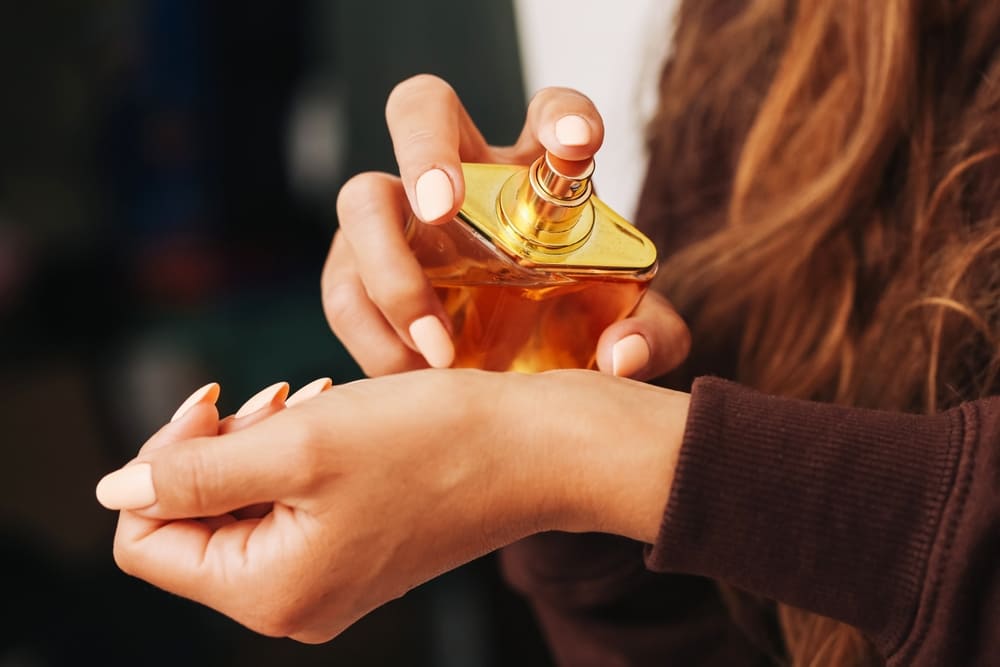
Welcome to the sophisticated world of fragrance layering. Also known as “scent cocktailing,” this is the art of mixing different perfumes, oils, and body products to create a bespoke aromatic fingerprint. It’s the ultimate beauty hack for the person who wants to be remembered, not just noticed.
The Philosophy of the “Olfactory Wardrobe”
Before we dive into the “how-to,” let’s talk about the “why.” In 2026, beauty is less about perfection and more about authenticity. Just as you might mix and match high-low fashion or experiment with different makeup looks, layering allows you to:
-
Solve the “Longevity” Problem: Many fresh or citrusy scents vanish within an hour. By layering them over a heavier base, you give those volatile molecules something to cling to.
-
Transition Seamlessly: You can take a professional, clean office scent and transform it into a sultry evening aroma with one strategic spritz.
-
Express Your Complexity: Why choose between being “sweet” and “edgy” when you can be both?
Understanding the Architecture: The Scent Pyramid
To layer like a pro, you need to understand how perfume is built. Most fragrances follow a three-tier structure:
-
Top Notes: These are the first things you smell. They are light, zingy, and evaporate quickly (think citrus, ginger, or light fruits).
-
Heart (Middle) Notes: The “soul” of the fragrance. These emerge as the top notes fade (think florals, pepper, or pine).
-
Base Notes: The heavy hitters. These stay on your skin for hours (think vanilla, musk, oud, or sandalwood).
The Secret to Layering: You are essentially building a new pyramid. When you mix two scents, their pyramids merge. Much like layering your skincare products for maximum efficacy, the order of application matters here. If you mix two scents that both have heavy base notes, you might end up with something “clunky” or overwhelming. The goal is balance.
The Step-by-Step Ritual: From Shower to Street
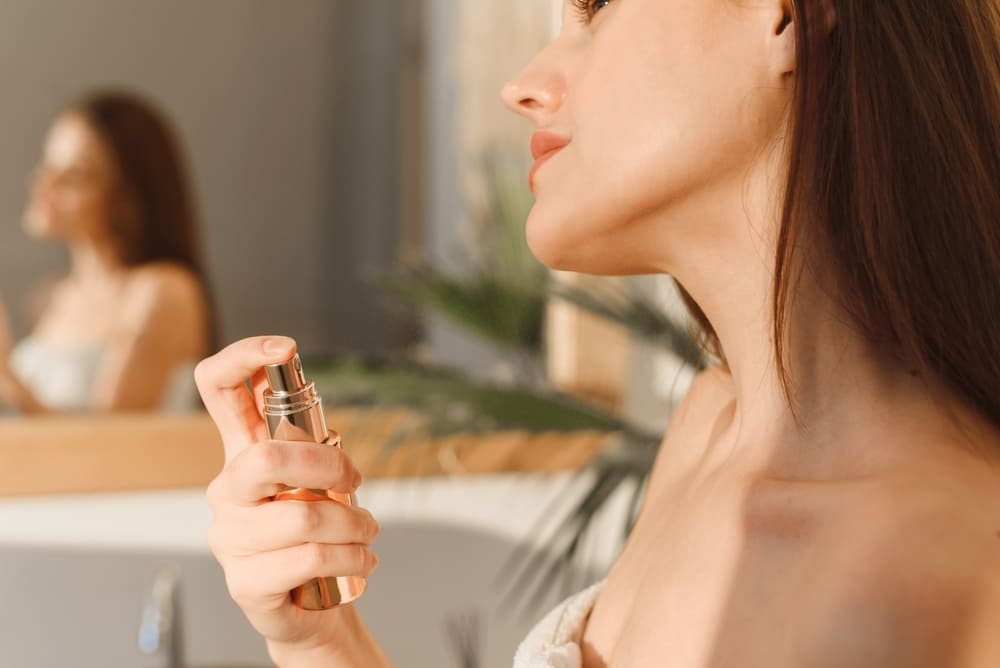
Fragrance layering isn’t just about the final spray; it’s a multi-sensory process that begins before you even get dressed.
1. The Hydration Foundation
Fragrance is a “moisture-seeker.” On dry skin, the alcohol in perfume evaporates rapidly, taking the scent with it.
-
The Move: Apply a body oil or body butter immediately after showering. This is also a great time to ensure your skin is glowing and healthy.
-
The Mix: Use a scented lotion that shares a single note with your perfume (e.g., a Bulgarian Rose lotion under a multi-floral perfume) to amplify that specific element.
2. The Heavy Hitter (The Base)
Apply your strongest, most “dense” fragrance first. If you are mixing a deep, woody Eau de Parfum (EDP) with a light, sparkling Eau de Toilette (EDT), the EDP always goes down first. Much like choosing the right foundation for your skin type, your base scent sets the stage for everything else.
3. The Molecular “Booster”
In recent years, “molecular fragrances” (scents like Iso E Super or Ambroxan) have become the secret weapon of scent-cocktailers. These act as a “velvet” backdrop that enhances other scents and makes them react uniquely to your skin chemistry – similar to how a great face primer makes your makeup look brighter and bolder.
4. The Top Note “Sparkle”
Finish with your lighter scent. Spray it from a distance so it mists over the base layer. This creates a “halo” effect where people catch different notes as you move.
Advanced Mixology: Scent Families That Vibe
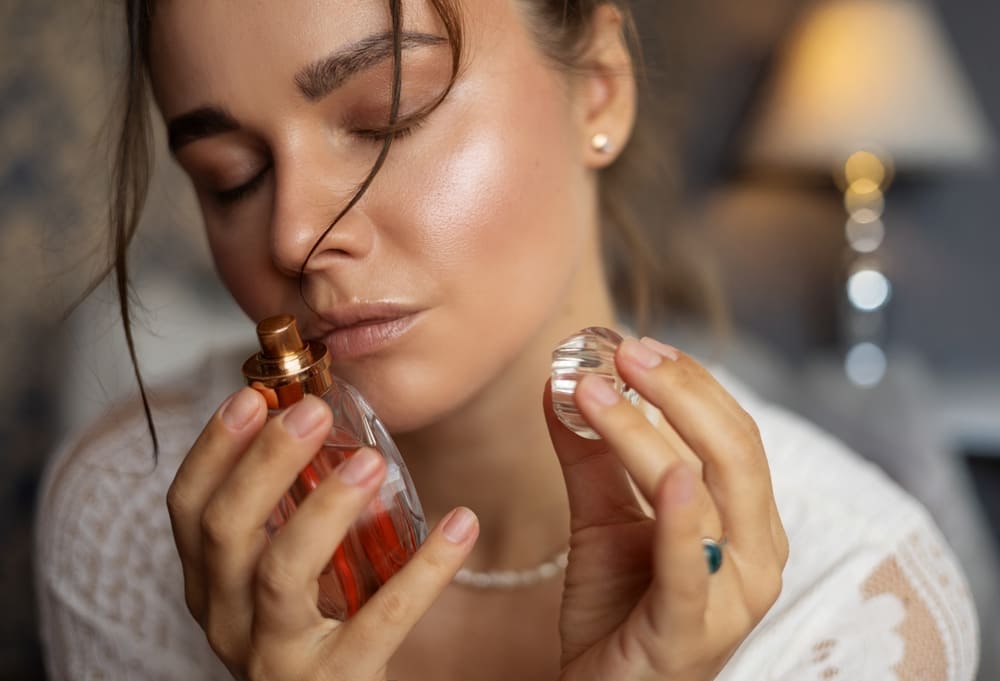
If you aren’t sure where to start, use the “Fragrance Wheel” as your guide. You can either stay Linear (mixing scents in the same family) or Contrast (mixing scents from opposite sides).
| Base Category | Best Layering Partner | The Result |
| Woody (Sandalwood, Cedar) | Floral (Jasmine, Lily) | A grounded, “bohemian” elegance. |
| Gourmand (Vanilla, Caramel) | Spicy (Pink Pepper, Cardamom) | A “grown-up” sweetness; less candy, more spice. |
| Citrus (Lemon, Bergamot) | Aromatic (Lavender, Mint) | The ultimate “clean” daytime scent. |
| Oriental (Amber, Resin) | Fruity (Peach, Blackcurrant) | A juicy, mysterious, and high-energy vibe. |
The “Don’ts” of Fragrance Layering
While we encourage experimentation, there are a few ways to go wrong:
-
Don’t Rub Your Wrists: This breaks down the molecules faster. Treat your scent with the same care you’d use when applying eye cream – gentle dabs only.
-
Don’t Mix Two “Beast Mode” Scents: If both perfumes have heavy sillage, mixing them can be overwhelming.
-
Don’t Forget Your Clothes: Spray a base scent on your skin and a lighter, fresher scent on your scarf or coat. Just be sure to care for your delicate fabrics afterward.
Finding Your Signature Scent
The beauty of fragrance layering is that it’s a moving target. Your signature fragrance in the humid heat of July shouldn’t be your signature in the crisp air of November.
By treating your perfume collection like a palette of paints rather than a finished masterpiece, you unlock a new level of self-expression. At BeautyFrizz, we believe that the best beauty routine is the one that makes you feel like the most “you” version of yourself. So, go ahead – spritz, layer, and experiment.